



What Japan Teaches You About Time
Many people who visit or live in Japan notice something subtle but powerful: time feels different. Not because the clock moves faster or slower, but because time is treated with intention and care. Through everyday routines, social expectations, and long-standing customs, Japan offers a distinctive perspective on how time is valued.
Punctuality as consideration for others
In Japan, punctuality is widely understood as a form of respect. Trains are known for their accuracy, meetings usually begin on time, and schedules are followed closely. When delays happen, even short ones, apologies are often given. This reflects a shared understanding that everyone’s time matters. Rather than feeling strict, punctuality often feels cooperative—one person’s preparedness supports the group.

Time marked by the seasons
Japan also experiences time through nature. Seasonal change plays a visible role in daily life, from food and clothing to public events and conversations. While not every interaction includes a seasonal reference, awareness of the time of year is culturally meaningful. Cherry blossoms in spring or autumn leaves later in the year act as shared markers of time passing, reinforcing a cyclical sense of time rather than a purely linear one.
Waiting without rushing
Another noticeable aspect of time in Japan is how waiting is handled. People line up calmly, follow order, and generally avoid showing impatience in public spaces. Whether waiting for a train, food, or service, the process itself is respected. This doesn’t mean people are passive; rather, it reflects a social preference for smooth, predictable flow over urgency.
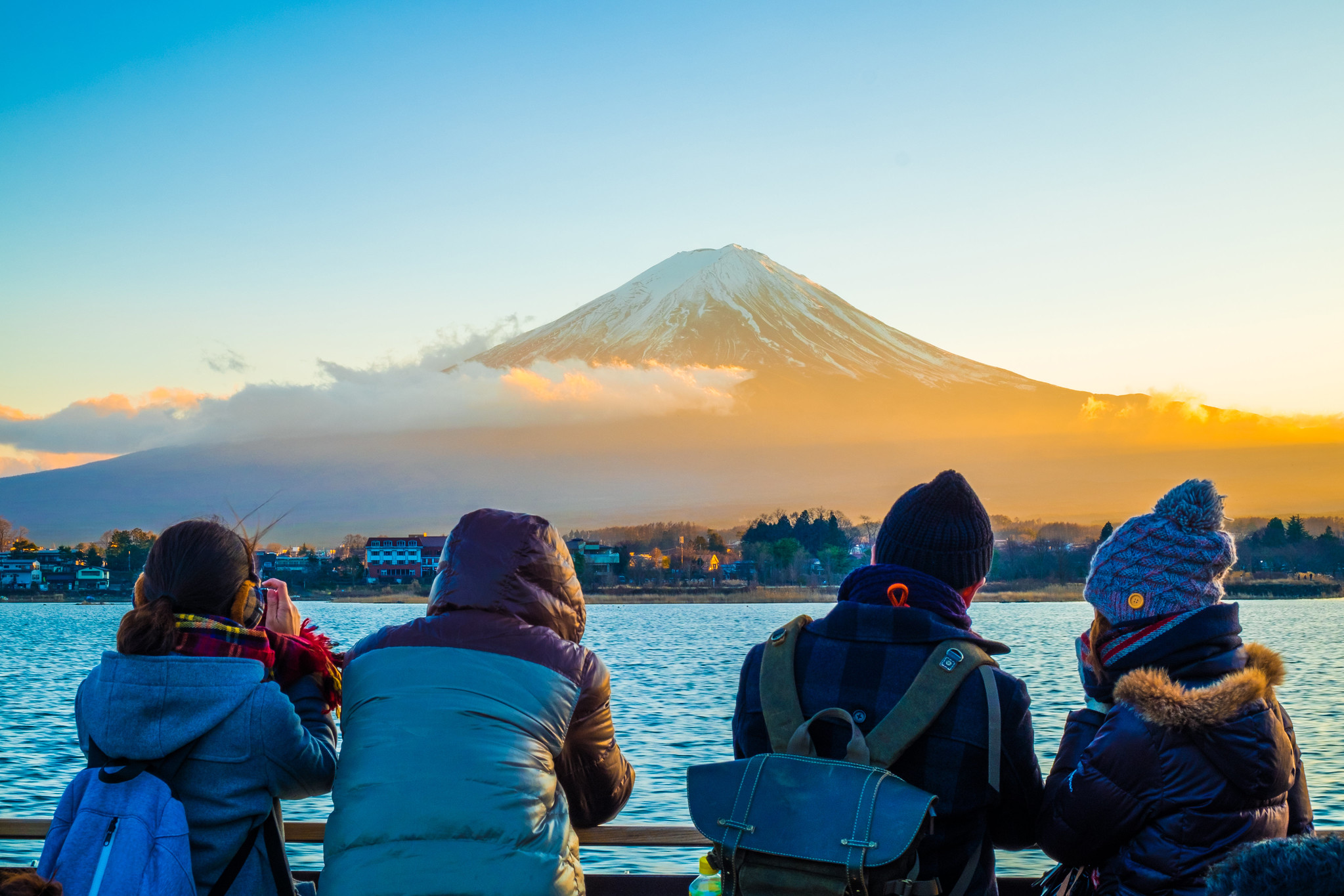
A long view of progress
Japan’s relationship with time is also visible in attitudes toward work and skill. In many traditional crafts, family businesses, and professional paths, improvement is seen as gradual and ongoing. Mastery is not rushed. Progress happens through consistency and repetition over years, sometimes generations. This long-term outlook values steady growth more than quick results.
Allowing space for quiet moments
Time in Japan also includes pauses. Silence, reflection, and stillness are not viewed as wasted moments. Whether during a meal, a walk, or daily routines, quiet time is often accepted as necessary. Time is something to experience, not just schedule.
A shift in perspective
Spending time in Japan often encourages people to rethink their own relationship with time. Efficiency and patience coexist. Planning ma