


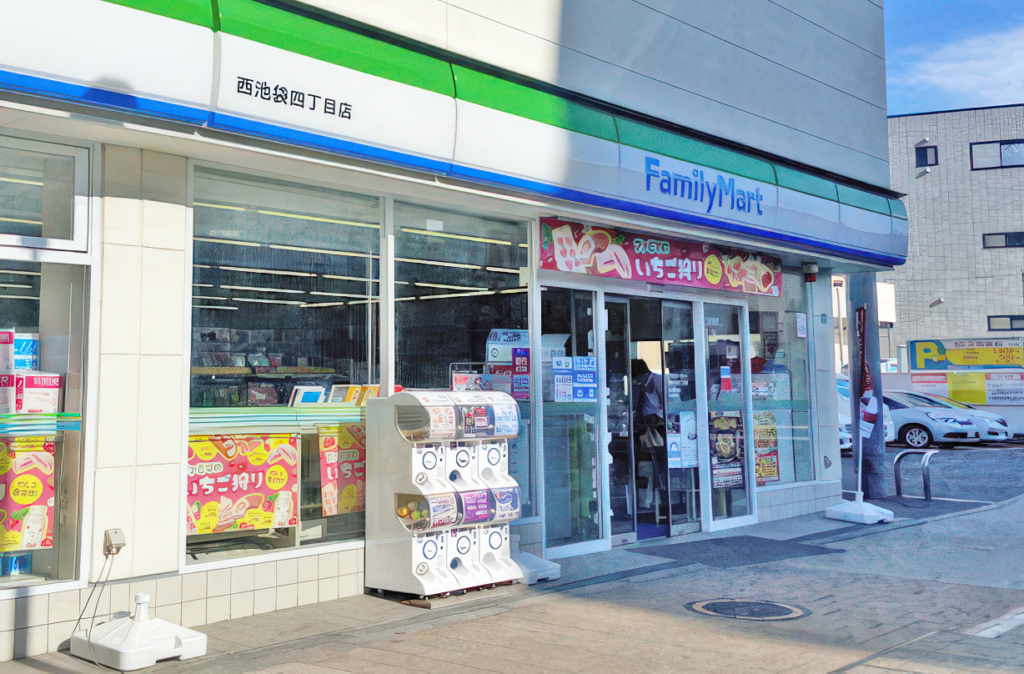
How to Shop at a Japanese Convenience Store: Easy Konbini Tips for Students
Japanese convenience stores, or konbini, are one of the easiest ways to get comfortable with daily life in Japan. They are clean, efficient, and offer a wide range of food and everyday items. Stopping by a konbini for a quick meal or small errand quickly becomes part of your routine. Most locations are open 24 hours, so you can stop by anytime, whether it’s early morning or late at night.
What to buy first
Start with simple, familiar options. Onigiri (rice balls), sandwiches, bento boxes, and drinks are widely available and easy to choose. Packaging is clear and visually helpful, so you can often pick items without needing much Japanese. Recently, more products also include English labeling, so if something catches your interest, don’t hesitate to give it a try.
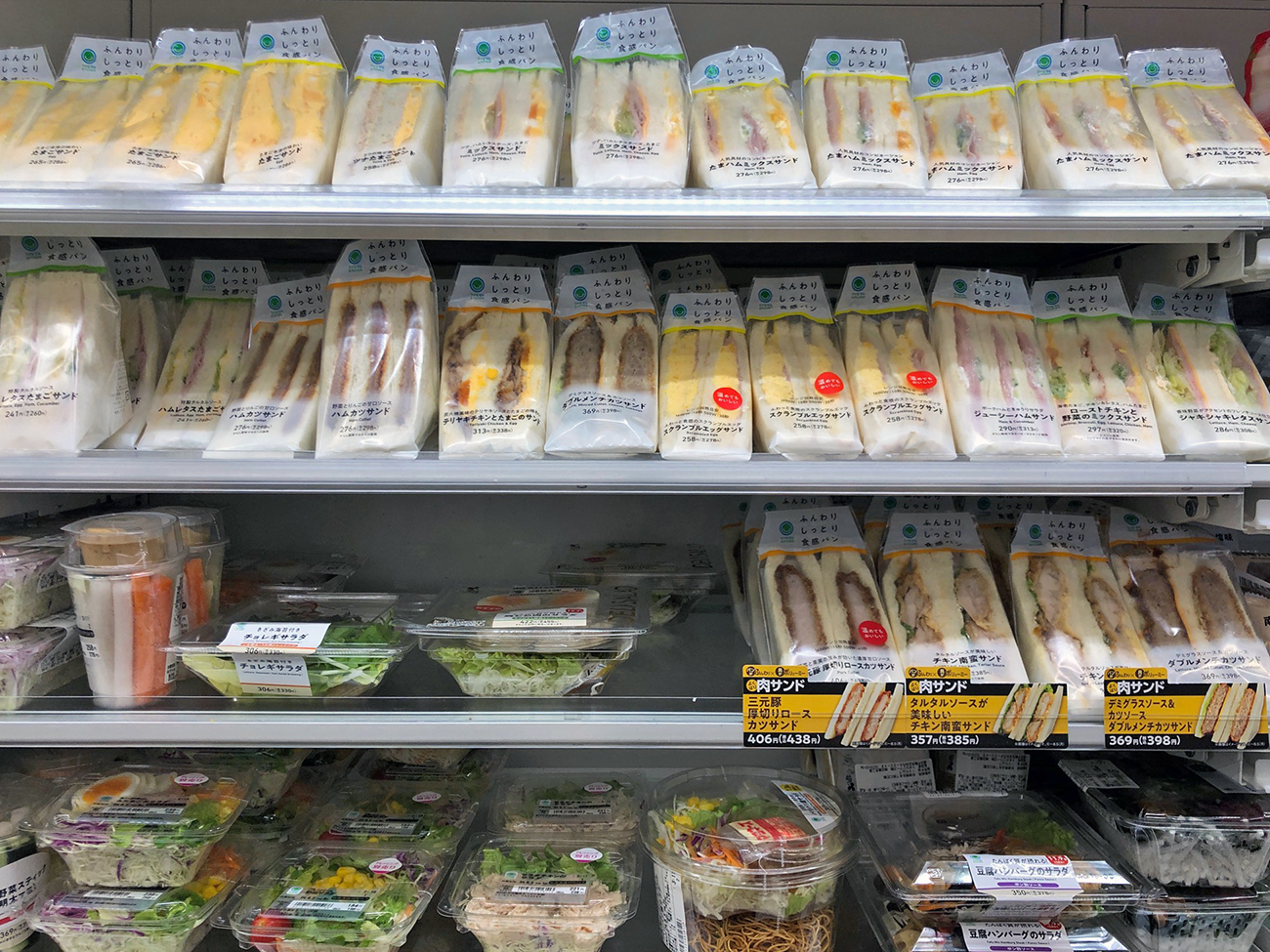
Your first konbini visit is easier when you start with familiar grab-and-go foods.
What to expect at checkout
At the register, a few simple interactions are common:
・You may be asked if you want your food heated
・Whether you need a bag
・How you would like to pay (credit card, IC card, or cash)
・In some stores, you can also use touch payment or self-checkout
These small steps might feel unfamiliar at first, but you don’t need to overthink them. You’ll get used to them quickly. Learning a few key phrases can also make things smoother—check out our Useful Phrases at Japanese Convenience Stores/Konbini to feel more confident at the register.
Konbini are useful beyond food
Convenience stores aren’t just for meals. They’re also helpful for everyday needs like using ATMs or picking up small essentials. Being able to take care of multiple errands in one place makes them especially useful when you’re adjusting to a new environment.

Assortment of onigiri.
Konbini in student life
For students living in Tokyo, konbini quickly become part of daily life. Whether it’s grabbing something quick between classes or picking up what you need on the way home, they make everyday routines easier. Since KCP International’s campus is in Shinjuku, having easy access to konbini is especially helpful for students navigating a busy city environment.
If you want a better sense of what daily life looks like, explore Student Life and check the Tokyo/Shinjuku FAQ to see how routines like this fit into your study abroad experience.